
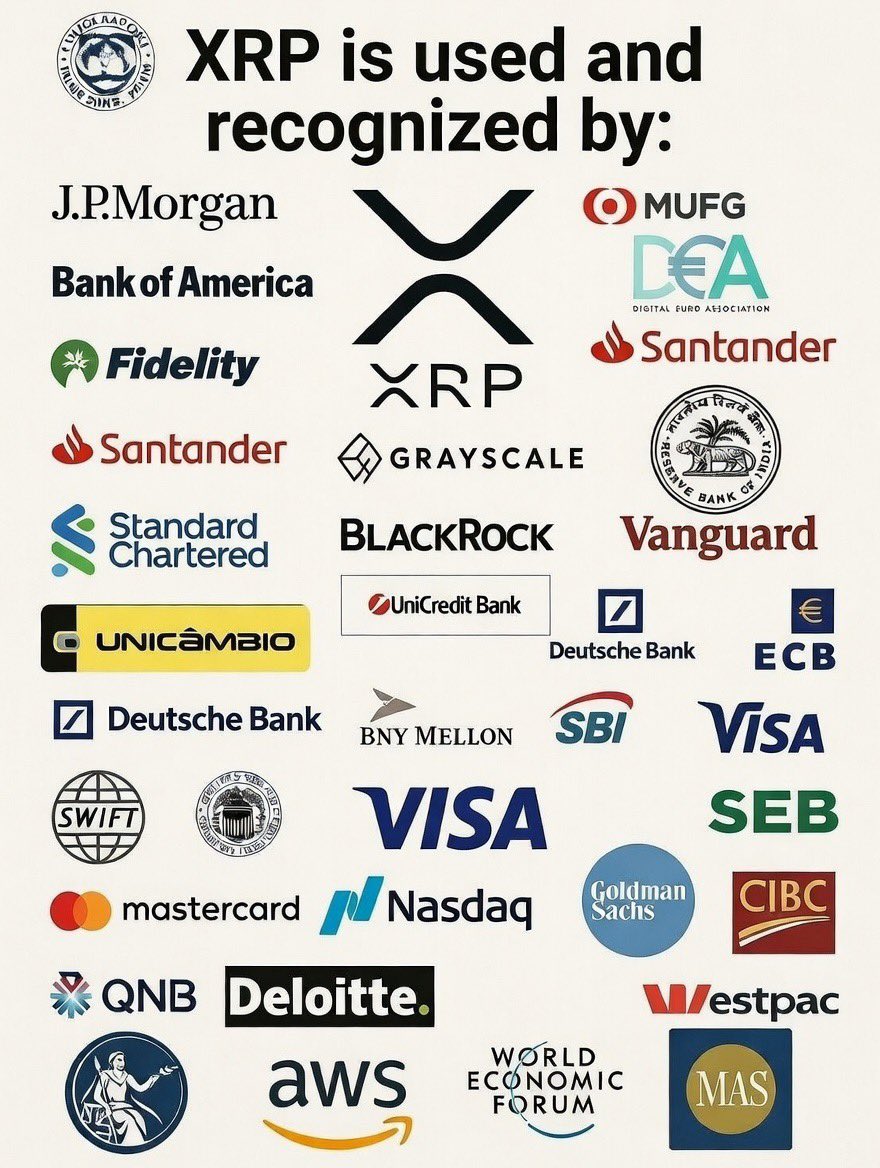
Ripple and its native cryptocurrency XRP are among the most discussed names in blockchain and cross-border payments today. While many associate the project with founders like Jed McCaleb, Chris Larsen, and David Schwartz, the story actually begins much earlier—with a Vancouver-based developer named Ryan Fugger.
The Birth of RipplePay (2004)

In 2004—years before Bitcoin’s whitepaper appeared—Ryan Fugger launched RipplePay, a decentralized peer-to-peer payment and credit network. Operating from Vancouver, Canada, Fugger envisioned a trust-based system where individuals and communities could issue and exchange value directly, bypassing traditional intermediaries like banks for many everyday transactions.RipplePay allowed users to create “IOUs” backed by mutual trust lines (you trust your friend, your friend trusts a merchant, and value flows along those paths).
The original website, ripplepay.com, remains online to this day as a historical artifact of that early vision. Fugger’s concept focused on local and community currencies, drawing inspiration from ideas like local exchange trading systems (LETS).This was not the XRP Ledger we know now. It was a pure credit network without a native token designed for global scale or institutional settlement.
The 2012 Transition to Modern Ripple
In early 2012, a team including Jed McCaleb (known from Mt. Gox and later Stellar), Arthur Britto, and David Schwartz saw potential in expanding Fugger’s framework. They approached him with a proposal to build a faster, more scalable distributed ledger that could handle global value transfer efficiently.Fugger agreed to transfer stewardship of the Ripple name and concept.
In September 2012, the group founded OpenCoin (later rebranded to Ripple Labs in 2013 and simply Ripple in 2015). They developed the XRP Ledger—a public blockchain with XRP as its native asset for bridging currencies and providing liquidity in cross-border payments.This pivot transformed Fugger’s community-focused trust network into an enterprise-grade solution targeting banks and payment providers.
Early Institutional Interest: Royal Bank of Canada Steps In (2016)
One of the clearest signs of Ripple’s shift toward traditional finance came in 2016, when Canada’s Royal Bank of Canada (RBC) publicly confirmed it was running a proof-of-concept (PoC) with Ripple for distributed ledger-based remittances.
RBC aimed to make cross-border transfers faster and cheaper than legacy systems like SWIFT. Reports from the time (including coverage by CoinDesk and Finextra) described a “limited production” trial testing scalability, security, and performance.
Eddy Ortiz, then VP of solution acceleration at RBC, noted the bank had explored blockchain for two years before selecting Ripple.
Later that year, RBC joined a broader group of global banks (including Santander, Bank of America, and others) forming a steering committee around Ripple’s technology to explore a blockchain-based alternative to traditional interbank messaging.
While not every early PoC led to full production deployment, the RBC collaboration marked one of the first high-profile validations of Ripple’s vision by a major Tier-1 bank.
Speculation in the Community: Fugger and the Historic Fugger Dynasty?
In certain X (Twitter) threads and crypto discussion circles, observers occasionally point out the coincidence of Ryan Fugger sharing a surname with the famous Fugger family—the 15th- and 16th-century German banking dynasty that financed emperors, controlled major mining operations, and amassed legendary wealth (Jakob Fugger was once called “the richest man who ever lived”).
Some speculate this represents a deep, historical continuity: from Renaissance merchant banking to modern blockchain-based settlement. However, no verified genealogical evidence links the Canadian developer Ryan Fugger directly to that Augsburg-based lineage. The connection remains an intriguing internet theory rather than established fact.
Why This History Still Matters in 2026
As tokenized assets, central bank digital currency pilots (like Canada’s Project Samara), and faster payment rails continue to evolve, Ripple’s long arc—from a 2004 Canadian experiment in decentralized trust to partnerships with institutions like RBC—illustrates how early fintech ideas can mature into tools that challenge centuries-old financial plumbing.
Whether you’re skeptical of XRP’s role, bullish on its utility for bridging fiat systems, or simply fascinated by origin stories, the Ripple saga reminds us: many of today’s “disruptive” technologies have surprisingly deep roots.
What do you think—does knowing the pre-Bitcoin origins change how you view Ripple/XRP? Drop your thoughts below.
Sources include historical reports from CoinDesk (2016), Wikipedia entries on Ripple, and archived material from ripplepay.com.
Leave a Reply
You must be logged in to post a comment.